
Old silver fillings do not need to be replaced simply because they have been in your mouth for many years. Replacement may be appropriate when a filling is cracked, loose, worn, leaking, surrounded by new decay, or no longer protecting the tooth properly. The decision should be based on a careful dental examination, diagnostic imaging, symptoms, the condition of the remaining tooth, and the patient’s individual health considerations.
For patients considering whether to replace silver fillings in Orange County, a holistic dental evaluation can provide a clearer understanding of the condition of each restoration and the available treatment options. At Holistic Dental Arts in Santa Ana, Dr. Ayman Zraiqat evaluates old amalgam restorations individually and uses a conservative approach designed to preserve healthy tooth structure whenever possible.
What Are Silver Dental Fillings?
Silver fillings are more accurately called dental amalgam fillings. Dental amalgam is a restorative material made from a combination of metals. According to the U.S. Food and Drug Administration, dental amalgam contains approximately 50 percent elemental mercury by weight, combined with a powdered alloy containing metals such as silver, tin, and copper.
Amalgam was widely used because it was strong, durable, and capable of withstanding pressure from chewing, especially in back teeth. Many adults still have amalgam fillings that were placed years or even decades ago. Some remain functional, while others may eventually wear down or develop problems around their edges.
The appearance or age of a silver filling alone does not confirm that it has failed. A dentist must evaluate the restoration, the tooth underneath it, and the surrounding gum tissue before recommending replacement.
When Should You Replace Old Silver Fillings?
An old silver filling may need to be replaced when it is no longer sealing or supporting the tooth effectively. Fillings are exposed to repeated chewing pressure, temperature changes, acidic foods, tooth grinding, and normal wear. Over time, these forces can affect both the restoration and the surrounding natural tooth.
The most common reasons for replacing an amalgam filling include visible cracks, broken filling material, decay around or beneath the restoration, gaps between the filling and tooth, recurring pain, or damage to the remaining tooth structure. A filling that has fallen out or become loose should be evaluated promptly because the exposed tooth may be vulnerable to bacteria, sensitivity, and further breakage.
Replacement may also be considered when a patient has a medically documented sensitivity or allergy to a component of dental amalgam. However, symptoms should never automatically be attributed to a filling without an appropriate dental and medical evaluation.
What Are the Signs of a Failing Silver Filling?
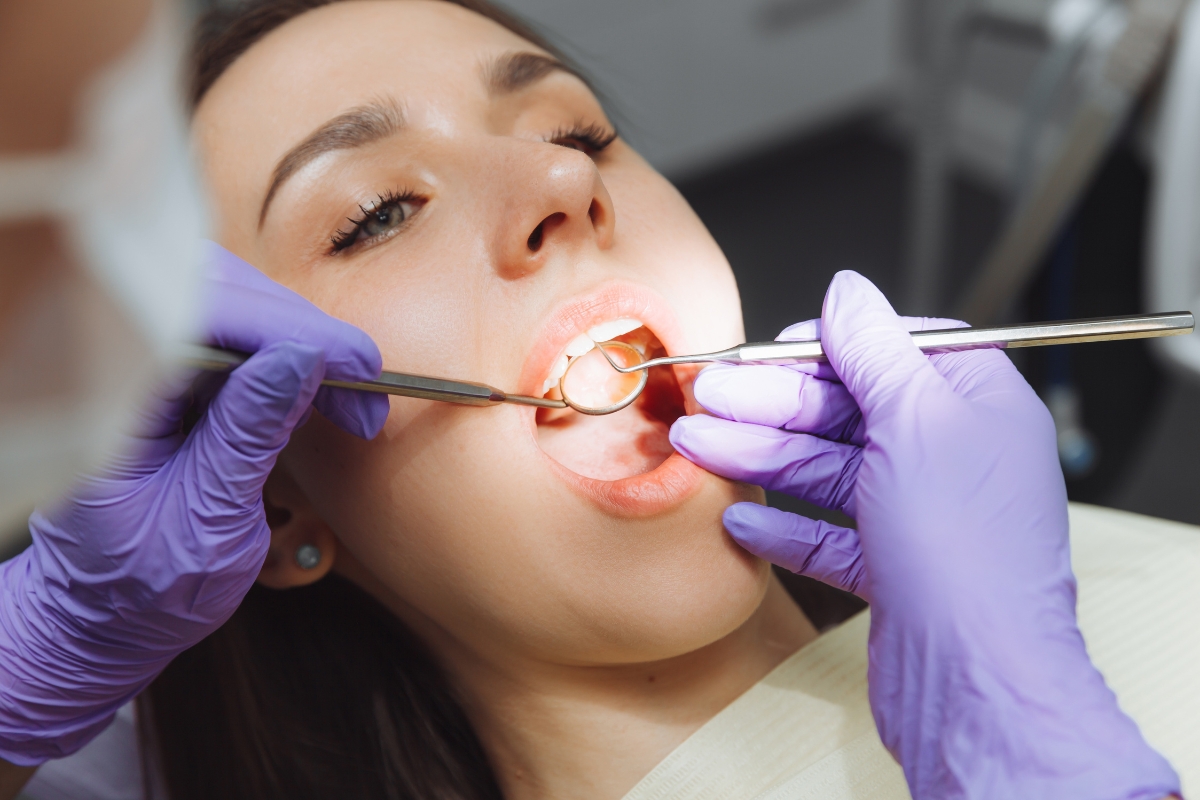
A failing filling does not always cause immediate pain. Some problems are discovered during a routine examination or on dental X-rays before the patient notices symptoms. Other fillings produce noticeable warning signs.
Tooth sensitivity that develops around an older filling may indicate an open margin, decay, a crack, or irritation within the tooth. Sensitivity can occur when eating something cold, hot, sweet, or acidic. Pain when biting may suggest that the filling or surrounding tooth structure has fractured, although bite discomfort can have several possible causes.
A patient may also notice that part of the filling feels sharp, rough, loose, or different when touched with the tongue. Food may begin collecting around the restoration, floss may repeatedly tear near it, or a visible section of the tooth may break away. These changes should be examined even if the tooth is not painful.
Darkening around a silver filling does not necessarily mean decay is present. Amalgam and the surrounding tooth can change color over time. A clinical examination and appropriate imaging are necessary to determine whether the discoloration represents staining, corrosion, an open margin, or active decay.
Should Intact Silver Fillings Be Removed as a Preventive Measure?
The FDA does not recommend removing or replacing an amalgam filling that is in good condition unless a healthcare professional considers removal medically necessary. Removing an intact restoration can result in the loss of healthy tooth structure and may temporarily increase exposure to mercury vapor during the procedure. The American Dental Association has expressed a similar position.
This guidance does not mean that a patient must ignore a damaged, leaking, or failing filling. It means the decision should be individualized. A dentist should evaluate whether the restoration is clinically serviceable, whether there is decay or structural damage, and whether replacing it is likely to provide more benefit than risk.
Patients who are concerned about the materials in their mouths can request a comprehensive evaluation. The appointment should focus on the actual condition of each filling rather than assuming that every silver restoration requires immediate removal.
How Does a Dentist Evaluate an Old Amalgam Filling?
The evaluation usually begins with a discussion of the patient’s symptoms, dental history, health history, material concerns, and treatment goals. The dentist then examines the filling, its margins, the surrounding enamel, the bite, and the remaining tooth structure.
Dental X-rays may be recommended to look for decay beneath or next to the restoration. Imaging can also help the dentist evaluate the depth and size of the filling, its distance from the dental pulp, and the condition of the supporting bone. Not every crack or margin problem is visible on an X-ray, so imaging must be considered together with the clinical examination.
The dentist may also check the tooth for temperature sensitivity, tenderness, biting discomfort, or signs that the nerve has become irritated. If the tooth contains a very large filling, the dentist must determine whether there is enough healthy structure for another filling or whether a ceramic inlay, onlay, or crown would provide better protection.
Why Is Preserving Healthy Tooth Structure Important?
Every time a filling is replaced, some amount of tooth preparation may be necessary. Larger restorations can leave the tooth with thinner walls and less natural structure. This is one reason an intact filling should not be removed casually.
Biomimetic dentistry emphasizes preserving as much healthy tooth structure as reasonably possible. The word biomimetic means imitating the characteristics of a natural tooth. In restorative dentistry, this approach may involve conservative preparation, adhesive techniques, and restorative materials selected to rebuild the tooth without removing more healthy structure than necessary.
When replacing a silver filling, the goal is not simply to exchange one material for another. The dentist must remove the defective restoration, identify any decay or cracks, determine how much sound tooth remains, and select a restoration that can support normal function.
What Can Replace an Old Silver Filling?
The most appropriate replacement depends on the location and size of the original filling, the amount of healthy tooth remaining, the patient’s bite, cosmetic preferences, and material considerations.
A tooth-colored composite restoration may be appropriate for a relatively small or moderate area. Composite material is bonded to the tooth and can be shaped to restore its natural appearance and function. For larger areas, a laboratory-made or digitally designed ceramic inlay or onlay may offer additional coverage while preserving more tooth structure than a full crown in suitable cases.
A crown may be recommended when a tooth has lost substantial structure or is at a higher risk of fracture. If decay or cracking has reached the dental pulp, additional treatment may be necessary. The final recommendation cannot be made based on the filling’s appearance alone.
Holistic Dental Arts considers biocompatible and metal-free restorative options when appropriate. Patients with specific material concerns may also ask about dental material biocompatibility testing as part of the treatment-planning process. Testing has limitations and should be considered alongside the patient’s history and clinical needs rather than treated as a guarantee that a material will never cause a reaction.
What Is Safe Mercury Amalgam Removal?
Removing an amalgam filling involves cutting through a material that contains mercury. Because the removal process can release particles and vapor, some patients seek a dentist who follows additional exposure-control procedures.
The International Academy of Oral Medicine and Toxicology developed the Safe Mercury Amalgam Removal Technique, commonly known as SMART. SMART is a collection of measures intended to reduce exposure for the patient, dental team, and treatment environment while amalgam is being removed.
Depending on the patient and clinical situation, these measures may include protective coverings, isolation of the treatment area, high-volume suction, specialized air filtration, external air or oxygen for the patient, water irrigation, and sectioning the filling into larger pieces when possible. SMART is an IAOMT protocol and should not be confused with an FDA requirement or a guarantee of a particular health outcome.
Dr. Ayman Zraiqat is SMART certified by the IAOMT and provides safe mercury amalgam removal in Orange County. Before treatment, each tooth is evaluated to determine whether removal is appropriate and which restoration may be used afterward.
Can Every Silver Filling Be Replaced in One Appointment?
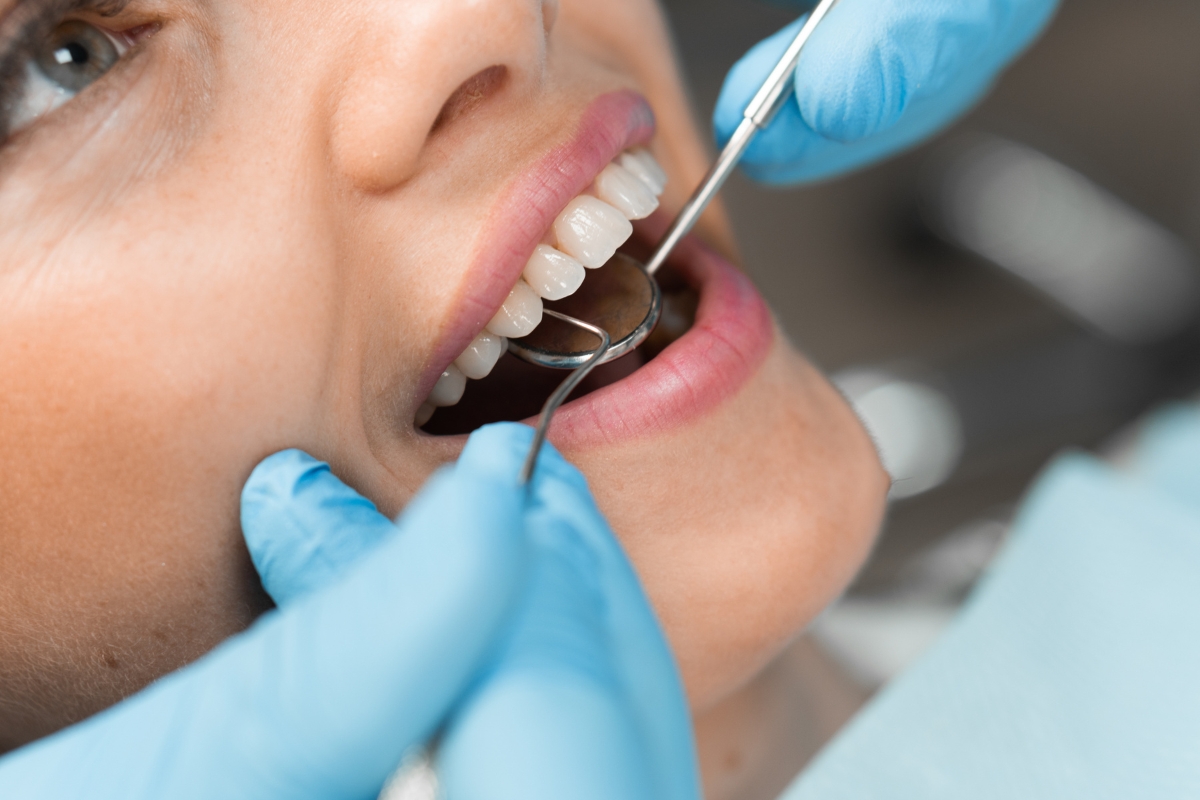
Some patients have one small amalgam filling, while others have several large restorations throughout the mouth. The recommended schedule depends on the number and location of the fillings, the condition of the teeth, the patient’s health history, appointment tolerance, and the complexity of the restorative work.
Replacing several fillings at once is not automatically the right approach. A phased treatment plan may be more appropriate when multiple teeth require care, especially if some restorations are stable while others show signs of failure. Priority is generally given to teeth with active decay, fractures, pain, open margins, or other urgent concerns.
A written treatment plan can help the patient understand which fillings require attention, which can be monitored, what replacement materials are being considered, and how the work may be sequenced.
What Should You Ask Before Amalgam Removal?
Patients should ask why the dentist is recommending removal and whether the filling is cracked, leaking, decayed, or otherwise failing. It is also helpful to ask how much healthy tooth remains and whether a filling, inlay, onlay, or crown is being recommended.
Material selection should be discussed before treatment begins. Patients can ask what the new restoration will contain, whether metal-free or BPA-free options are available, and whether biocompatibility testing would provide useful information in their situation.
If mercury exposure is a concern, ask what protective procedures will be used during removal. Patients should also disclose pregnancy, nursing, allergies, kidney disease, neurological conditions, chemical sensitivities, medications, and other relevant health information to both their dentist and physician.
How Can You Protect a New Restoration?
No dental restoration is permanent. Its longevity is influenced by the size of the restoration, tooth location, bite forces, oral hygiene, diet, dry mouth, decay risk, and habits such as clenching or grinding.
Daily brushing with an appropriate toothpaste, cleaning between the teeth, limiting frequent sugar exposure, and attending routine dental examinations can help protect both the restoration and the surrounding tooth. Patients who grind their teeth may benefit from a professionally fitted nightguard when recommended.
New pain, sensitivity, roughness, food trapping, or changes in the bite should be evaluated early. Addressing a small problem may help prevent a more extensive restoration later.
Schedule a Silver Filling Evaluation in Orange County
The right time to replace an old silver filling depends on the condition of the restoration and the tooth beneath it. A filling that is intact and functioning may be monitored, while a cracked, loose, leaking, or decayed restoration may require timely treatment. A personalized examination is the safest way to distinguish between the two.
Holistic Dental Arts provides holistic and biomimetic dental care for patients throughout Orange County, including Anaheim Hills, Irvine, Newport Beach, Orange, Santa Ana, Tustin, and surrounding communities. Dr. Ayman Zraiqat evaluates existing dental materials, explains appropriate restorative options, and follows additional safety measures when amalgam removal is clinically indicated.
To schedule an evaluation, contact Holistic Dental Arts in Santa Ana or call (657) 600-8425. This article is provided for general educational purposes and does not replace an individual dental or medical evaluation.
Frequently Asked Questions
How do I know if my silver filling needs to be replaced?
A dental examination is necessary to determine whether a silver filling needs replacement. Cracks, loose material, decay, open margins, persistent sensitivity, pain when biting, or damage to the surrounding tooth may indicate that treatment is needed.
Do silver fillings need to be replaced after a certain number of years?
No single age determines when every filling must be replaced. Some restorations remain functional for many years, while others fail sooner because of their size, location, bite pressure, decay, or damage. The filling’s current condition matters more than its age alone.
Should I remove a silver filling that is not causing pain?
Not necessarily. A filling can sometimes fail without causing pain, but an intact and clinically serviceable filling may not require replacement. The FDA does not recommend removing amalgam fillings in good condition unless a healthcare professional considers removal medically necessary.
Can decay develop underneath an amalgam filling?
Yes. New decay can develop near the edges of an existing filling and extend beneath it. Dental X-rays and a clinical examination can help identify decay that may not be visible or painful.
What is the safest way to remove a mercury filling?
Removal should be performed by a licensed dentist after the tooth has been evaluated. Patients concerned about exposure may seek a dentist who uses additional controls such as isolation, high-volume suction, air filtration, water irrigation, protective coverings, and other SMART-related measures.
What material can be used instead of dental amalgam?
Possible alternatives include tooth-colored composite resin and ceramic restorations such as inlays, onlays, or crowns. The appropriate material depends on the size and location of the restoration, the remaining tooth structure, bite forces, appearance goals, and individual material considerations.
Will replacing a silver filling weaken my tooth?
Removing a restoration usually requires some tooth preparation, and a large existing filling may already leave the tooth with limited natural structure. Conservative planning and biomimetic techniques can help preserve sound tooth structure, but the condition of each tooth must be evaluated individually.
Can all my amalgam fillings be removed during one visit?
That depends on the number, size, and location of the fillings and the patient’s overall treatment needs. Some patients may be candidates for treatment in one visit, while others may benefit from a phased plan that addresses the most urgent teeth first.
Does dental insurance cover silver filling replacement?
Coverage varies by plan. Insurance is more likely to contribute when replacement is considered clinically necessary because of decay, fracture, or restoration failure. A plan may limit coverage for certain tooth-colored or ceramic materials, so patients should verify their benefits before treatment.
Where can I have silver fillings evaluated in Orange County?
Holistic Dental Arts is located at 1401 North Tustin Avenue, Suite 345, in Santa Ana, California. Dr. Ayman Zraiqat provides evaluations for patients concerned about existing amalgam fillings, biocompatible replacement materials, and mercury-safe removal procedures.