
Silver-colored dental fillings have been used for decades to restore teeth affected by decay. These restorations are commonly called silver fillings or amalgam fillings, and they contain a mixture of metals that includes mercury.
As amalgam fillings age, patients may begin wondering whether they should be replaced and, if removal is appropriate, whether there is a way to reduce unnecessary exposure to mercury vapor and amalgam particles during the procedure.
Safe mercury removal focuses not only on taking out an old filling but also on using specific protective measures during the removal process.
At Holistic Dental Arts in Santa Ana, Dr. Ayman Zraiqat provides biological and holistic dentistry and follows mercury-safe protocols for patients who need or choose to replace existing amalgam restorations.
What Are Mercury Amalgam Fillings?
Dental amalgam is a restorative material traditionally used to repair cavities.
Although these restorations are often called "silver fillings," they are not made entirely of silver. Dental amalgam contains liquid elemental mercury combined with a powdered metal alloy that typically includes silver, tin, and copper.
Mercury helps bind the metals together and creates a strong material that can withstand chewing forces.
Many patients have amalgam restorations that have remained functional for years or even decades.
Like any dental restoration, however, an amalgam filling can eventually develop problems such as wear, fractures, leakage, recurrent decay, or deterioration around the edges.
Does Every Mercury Filling Need to Be Removed?
No.
The presence of an amalgam filling alone does not mean that it needs to be replaced.
Current FDA guidance states that an intact amalgam filling in good condition generally should not be removed solely for the purpose of preventing disease. Removing a functioning restoration can require removal of additional healthy tooth structure and can temporarily increase exposure to mercury vapor during the procedure.
The condition of the individual tooth and restoration should therefore be evaluated before removal is recommended.
Reasons a dentist may consider replacing an amalgam filling can include:
- Decay around or beneath the filling
- Cracking or fracture of the restoration
- A fractured tooth
- Significant wear
- A loose restoration
- Leakage around the filling
- Problems with the patient's bite
- A documented sensitivity or allergy to components of the restoration
- A clinical need to restore the tooth with another material
The decision should be based on the individual tooth rather than simply on the age of the filling.
Why Does Mercury Removal Technique Matter?
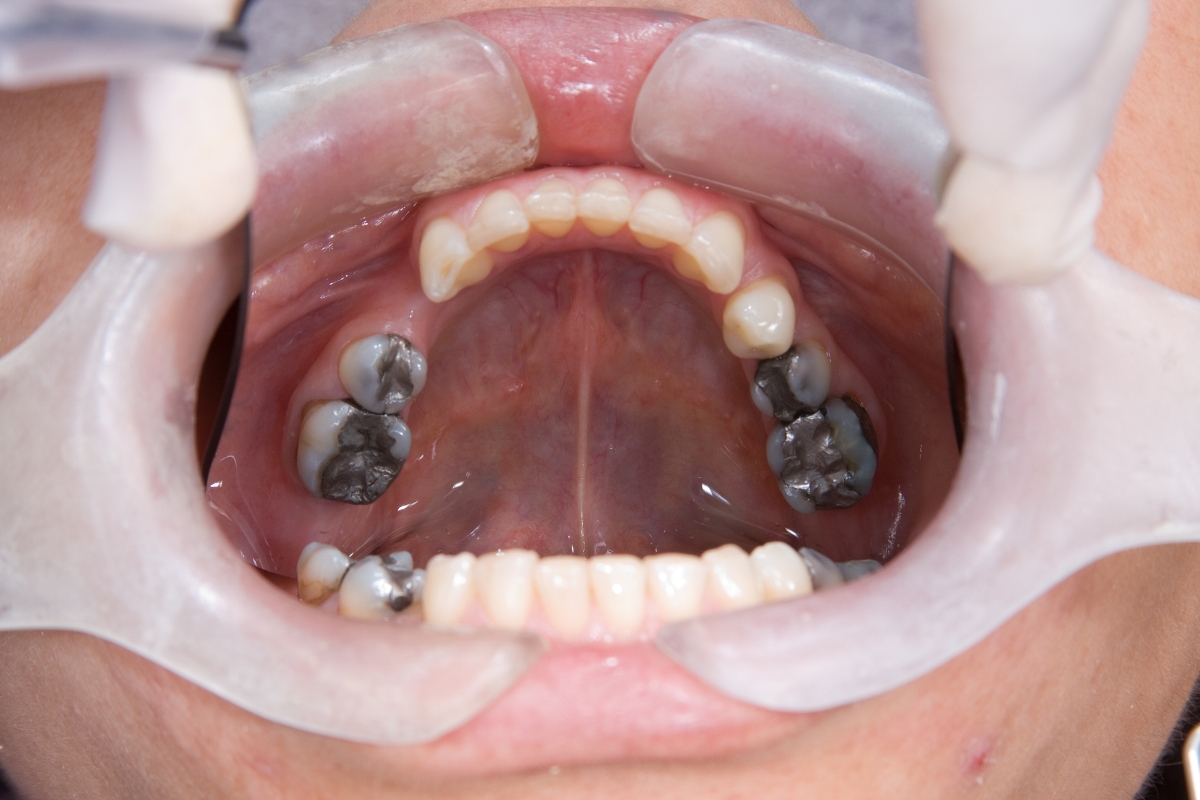
The removal process itself is important because drilling into dental amalgam can generate mercury vapor and small particles.
The FDA recognizes that mercury vapor exposure can temporarily increase during the placement or removal of amalgam restorations.
A mercury-safe approach therefore uses additional measures intended to reduce exposure for the patient, dental team, and treatment environment.
These measures are not intended to suggest that every amalgam restoration must be removed.
They are designed for situations in which removal has already been determined to be appropriate.
What Is SMART Mercury Removal?
SMART stands for Safe Mercury Amalgam Removal Technique.
The protocol was developed by the International Academy of Oral Medicine & Toxicology, commonly known as the IAOMT.
SMART provides recommendations intended to reduce exposure to mercury vapor and amalgam particles when an existing restoration is being removed.
The protocol addresses areas such as:
- Patient protection
- Dental team protection
- High-volume evacuation
- Air filtration
- Water irrigation
- Isolation of the treatment area
- Removal of amalgam in larger sections when possible
- Collection and disposal of amalgam waste
SMART is specifically concerned with the conditions under which amalgam is removed.
It does not mean that every patient with an old silver filling should automatically undergo removal.
What Is a SMART-Certified Dentist?
A SMART-certified dentist has completed training through the IAOMT regarding the organization's Safe Mercury Amalgam Removal Technique.
The training focuses on procedures designed to reduce mercury exposure during amalgam removal.
Patients seeking mercury-safe dentistry may want to ask:
- Is the dentist SMART-certified?
- What type of suction is used?
- How is the treatment area isolated?
- Is air filtration used?
- What protective equipment is provided?
- How is amalgam waste collected?
- How is the filling removed?
- What restorative material will replace it?
Dr. Ayman Zraiqat at Holistic Dental Arts has completed SMART training through the IAOMT and incorporates biological dentistry principles into treatment planning.
How Is Safe Mercury Removal Different From Standard Filling Removal?
A conventional filling replacement focuses primarily on removing the old restorative material, preparing the tooth, and placing a new restoration.
Mercury-safe removal adds measures intended to reduce exposure during the removal process.
The difference is therefore not simply the type of filling being removed.
It is the additional attention given to:
- Mercury vapor
- Amalgam particles
- Air quality
- Isolation
- Suction
- Protective barriers
- Waste management
Several measures can be used together because no single technique addresses every possible exposure route.
How Is the Patient Protected During Mercury Removal?
Patient protection is an important part of mercury-safe dentistry.
Depending on the clinical situation and the protocol being followed, protective measures may include isolation of the treatment area, high-volume suction, external air or oxygen, protective barriers, and careful removal of the amalgam.
The purpose is to reduce the amount of particulate material and vapor that reaches the patient during the procedure.
The exact combination of measures can vary depending on the tooth being treated and the clinical circumstances.
Patients should ask the dentist to explain the protocol before treatment begins.
Why Is High-Volume Suction Important?
High-volume evacuation helps capture particles and aerosols close to the tooth while the amalgam is being removed.
Dental procedures that involve drilling can generate considerable aerosol and debris.
Positioning high-volume suction near the treatment area helps remove material before it spreads more broadly throughout the room.
Mercury-safe protocols may incorporate additional suction or specialized devices beyond standard dental evacuation.
The objective is to control material as close to its source as possible.
Why Is Air Filtration Used?
Air filtration provides another layer of exposure control.
Specialized filtration systems can be positioned near the treatment area to capture airborne particles and help reduce mercury vapor in the operatory.
This is especially relevant because mercury vapor cannot be controlled by simply placing a barrier over the tooth.
The IAOMT SMART protocol includes recommendations related to adequate air filtration in areas where amalgam removal is performed.
Air management is therefore one part of a broader system rather than a substitute for suction, isolation, or other protective measures.
Why Is Water Used During Amalgam Removal?
Water irrigation helps control heat generated by dental instruments.
Reducing heat is important because higher temperatures can increase mercury vapor release.
Water also helps control debris while the restoration is being sectioned and removed.
The combination of water and high-volume evacuation is intended to limit both heat and particulate exposure.
Why Is the Filling Removed in Sections?
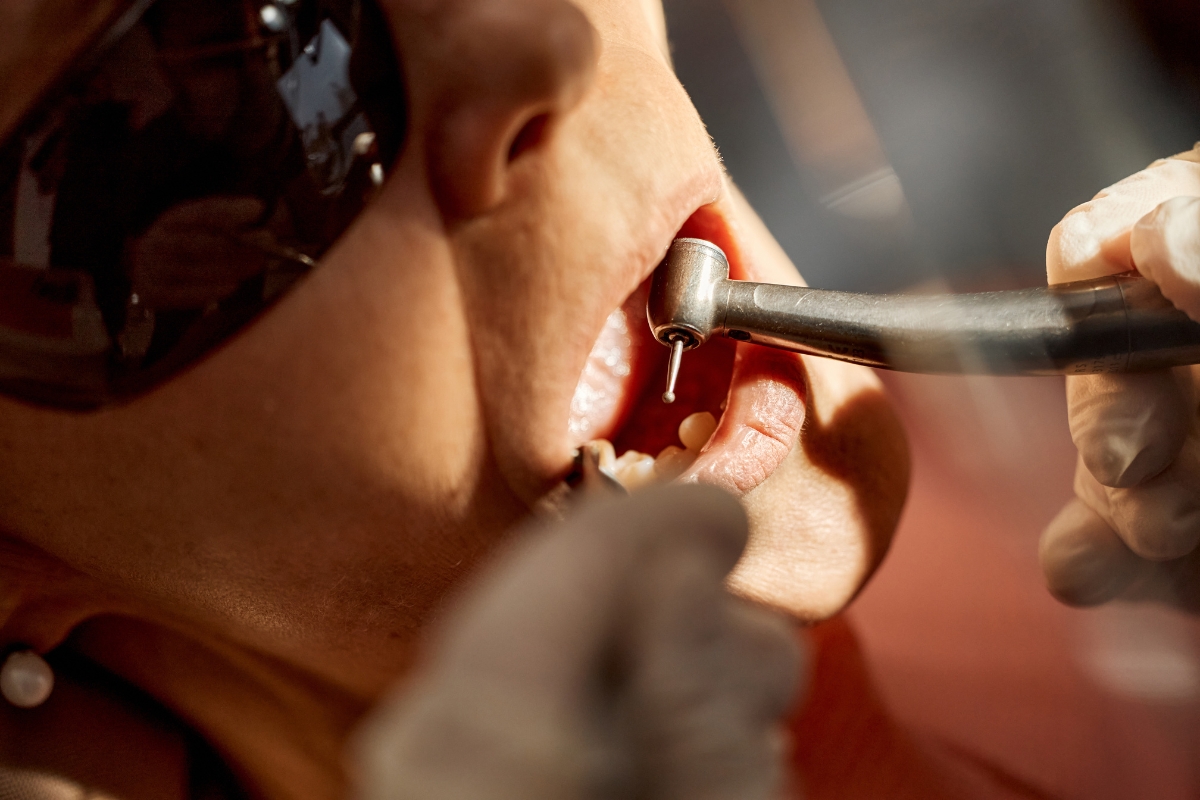
When clinically practical, an amalgam filling may be divided into larger sections rather than being completely ground away into small particles.
The objective is to reduce the amount of drilling required through the amalgam material.
Once the filling has been sectioned, larger pieces can often be removed from the tooth.
The exact technique depends on the size, depth, location, and condition of the restoration.
Preserving healthy tooth structure remains important throughout the process.
What Happens Before Safe Mercury Removal?
A mercury-safe procedure should begin with evaluating the tooth rather than automatically scheduling removal.
The dentist may assess:
- The condition of the filling
- Remaining natural tooth structure
- Evidence of recurrent decay
- Cracks or fractures
- Symptoms
- Bite forces
- Existing X-rays
- Previous dental treatment
- The size and depth of the restoration
The dentist should also discuss why the filling is being considered for replacement.
If an amalgam restoration remains functional and the tooth is healthy, removal may not necessarily be recommended.
What Happens During the Procedure?
The exact sequence varies according to the tooth and restoration.
In general, the dentist first prepares and isolates the treatment area.
The appropriate protective measures are placed, suction and air-control systems are positioned, and water irrigation is used while the amalgam restoration is carefully sectioned and removed.
After the old filling has been removed, the dentist evaluates the remaining tooth structure.
Any decay or compromised material can then be addressed before the tooth is restored.
The goal is not simply to remove amalgam.
It is to preserve as much healthy tooth structure as reasonably possible while creating a stable foundation for the replacement restoration.
What Replaces an Old Mercury Filling?
Several factors determine which material should replace an amalgam restoration.
These can include:
- Size of the previous filling
- Location of the tooth
- Remaining healthy tooth structure
- Cracks or fractures
- Bite forces
- Esthetic goals
- Material compatibility
- Overall condition of the tooth
Smaller areas may sometimes be restored with tooth-colored composite material.
Larger restorations may require a different type of bonded restoration depending on how much tooth structure remains.
Holistic Dental Arts incorporates biomimetic principles into restorative treatment when appropriate, with an emphasis on preserving natural tooth structure and creating restorations that function more like the original tooth.
What Is Biomimetic Dentistry?
Biomimetic dentistry is a conservative restorative approach that attempts to preserve healthy tooth structure while restoring the tooth in a way that more closely mimics its natural mechanical properties.
Traditional restorative dentistry sometimes requires significant removal of tooth structure to accommodate certain restorations.
Biomimetic techniques generally emphasize:
- Preserving healthy enamel and dentin
- Conservative removal of damaged tissue
- Bonded restorations
- Stress reduction within the restored tooth
- Avoiding unnecessary removal of healthy tooth structure
This approach can be particularly relevant when replacing a large existing filling because the dentist must determine how much healthy tooth remains after the old restoration is removed.
What Are Metal-Free Dental Materials?
Patients seeking holistic dentistry often ask whether an old amalgam filling can be replaced with a metal-free material.
Several modern dental materials do not contain dental amalgam or metal.
Depending on the clinical situation, options may include composite resins, ceramics, or other tooth-colored restorative materials.
The appropriate material depends on the tooth being restored.
There is no single dental material that is automatically appropriate for every patient or every tooth.
Factors such as strength, location, bite forces, remaining tooth structure, esthetics, and individual compatibility should be considered.
What Is Dental Biocompatibility?
Biocompatibility refers to how a material interacts with the patient's biological environment.
Biological dentistry places particular attention on the materials used in dental treatment.
Patients can have different medical histories, sensitivities, allergies, and treatment preferences.
For selected patients, additional material compatibility testing may be considered before extensive restorative dental work.
Holistic Dental Arts offers dental material and biological testing as part of its broader integrative approach.
Can Mercury Removal Detox the Body?
Mercury amalgam removal should not be presented as a guaranteed detoxification treatment or as a cure for systemic illness.
Removing a dental filling is a dental procedure.
Current scientific evidence does not establish that removing intact amalgam restorations will cure chronic diseases or produce predictable improvements in general health.
Patients with concerns about systemic mercury exposure should discuss those concerns with an appropriate medical professional.
A dentist can evaluate the condition of the restorations and determine whether there is a dental reason for replacement.
What Does the FDA Say About Dental Amalgam?
The FDA currently considers dental amalgam a restorative option for much of the general population.
However, the agency recommends considering non-amalgam alternatives for certain higher-risk groups when possible and appropriate.
These groups include:
- Pregnant women
- Women planning pregnancy
- Nursing mothers
- Children younger than six
- People with certain neurological conditions
- People with impaired kidney function
- People with known allergies or sensitivity to mercury or other amalgam components
The FDA does not recommend that members of these groups automatically have intact amalgam fillings removed solely to prevent health problems.
Removal should be evaluated individually.
Is Safe Mercury Removal Appropriate for Everyone?
Not necessarily.
The first question is whether the restoration needs to be replaced.
A patient with a fractured amalgam filling and recurrent decay has a different clinical situation from a patient with an intact restoration that has functioned successfully for many years.
The dentist should examine the tooth, evaluate available imaging, review symptoms, and discuss the patient's concerns before recommending treatment.
Mercury-safe techniques become relevant when removal is appropriate.
They do not create an automatic reason to remove every existing amalgam restoration.
What Should You Ask Before Removing Silver Fillings?
Before treatment, patients may want to ask:
- Why does this particular filling need replacement?
- Is there decay around or beneath it?
- Is the tooth cracked?
- How much natural tooth structure remains?
- Do you follow the SMART protocol?
- Are you SMART-certified?
- How do you control mercury vapor and particles?
- What type of suction and filtration do you use?
- What material will replace the amalgam?
- How much healthy tooth structure can be preserved?
- Will the tooth need a filling, inlay, onlay, or another restoration?
- What should I expect after treatment?
Patients should understand both the reason for the procedure and the method being used.
Safe Mercury Removal in Orange County
Patients searching for safe mercury removal in Orange County may be specifically looking for a dentist familiar with biological dentistry, amalgam removal precautions, metal-free restorative options, and the SMART protocol.
Holistic Dental Arts provides biological and holistic dental care for patients throughout Santa Ana, Irvine, Tustin, Newport Beach, Costa Mesa, Anaheim Hills, Orange, Huntington Beach, Laguna Hills, Mission Viejo, and surrounding Orange County communities.
The practice is located at 1401 N. Tustin Ave, Suite 345, Santa Ana, CA 92705.
Dr. Ayman Zraiqat provides services including safe mercury amalgam removal, holistic dentistry, zirconia ceramic dental implants, root canal alternatives, periodontal treatment, dental DNA testing, extractions with L-PRF, and biomimetic dentistry.
Patients with existing silver fillings can contact Holistic Dental Arts at (657) 600-8425 to schedule an evaluation.
Frequently Asked Questions
1. What is safe mercury removal?
Safe mercury removal refers to removing an amalgam filling while using additional protective measures intended to reduce exposure to mercury vapor and amalgam particles during treatment.
2. What is SMART mercury removal?
SMART stands for Safe Mercury Amalgam Removal Technique. It is a protocol developed by the International Academy of Oral Medicine & Toxicology that includes recommendations for isolation, suction, air filtration, water irrigation, protective equipment, removal technique, and amalgam waste management.
3. Should all silver fillings be removed?
No. An intact amalgam restoration does not automatically require replacement. The FDA generally advises against removing fillings that are in good condition and have no decay beneath them solely to prevent disease.
4. Why might an old mercury filling need replacement?
Replacement may be considered if the restoration is cracked, loose, significantly worn, leaking, surrounded by decay, associated with a tooth fracture, or otherwise no longer functioning properly.
5. Does removing an amalgam filling release mercury?
Mercury vapor can temporarily increase while an amalgam restoration is being drilled and removed. Mercury-safe protocols are designed to reduce unnecessary exposure during this part of the procedure.
6. What does a SMART-certified dentist do differently?
A SMART-certified dentist has completed IAOMT training regarding specific exposure-control measures used during amalgam removal, including isolation, high-volume evacuation, air filtration, water irrigation, protective equipment, and removal techniques.
7. What replaces a mercury filling after it is removed?
The replacement depends on the tooth and amount of remaining tooth structure. Tooth-colored composite, ceramic, or another bonded restorative material may be appropriate depending on the clinical situation.
8. Can removing mercury fillings improve overall health?
Mercury filling removal should not be promoted as a guaranteed treatment for systemic illness. The dental reason for removing the restoration should be evaluated separately from claims about treating medical conditions.
9. How do I know if my silver filling should be replaced?
A dentist should examine the filling, surrounding tooth structure, possible decay, cracks, symptoms, and available X-rays. Age alone does not determine whether an amalgam restoration requires replacement.
10. Where can I receive safe mercury removal in Orange County?
Holistic Dental Arts provides safe mercury amalgam removal and biological dental services in Santa Ana for patients throughout Orange County. The office is located at 1401 N. Tustin Ave, Suite 345, Santa Ana, CA 92705. Call (657) 600-8425 to schedule an evaluation.
Healthcare Disclaimer: This article is provided for general educational purposes and is not a diagnosis, treatment recommendation, or substitute for care from a qualified dentist, physician, or other healthcare professional.