
For the first 24 hours after a tooth extraction, eat soft, cool or lukewarm foods that need little or no chewing, such as yogurt, applesauce, smoothies eaten with a spoon, mashed potatoes, and broth that has cooled. Over the next several days, you can gradually add soft cooked foods like eggs, oatmeal, fish, and steamed vegetables as your comfort allows. What you avoid matters just as much. Hard, crunchy, sticky, spicy, and very hot foods can irritate the socket or disturb the blood clot that protects it, and drinking through a straw can pull that clot loose. At Holistic Dental Arts in Santa Ana, Dr. Ayman Zraiqat encourages patients to think of recovery meals as part of healing, not just something to get through. This guide walks through what to eat, what to skip, and how to build nourishing meals during each stage of recovery.
Why Does What You Eat Matter After an Extraction?
After a tooth is removed, a blood clot forms in the empty socket. That clot protects the bone and nerve endings underneath and gives new tissue a foundation to grow from. The foods you choose in the first several days can either protect that clot or put it at risk.
- Hard or crunchy foods can scrape the site or leave sharp fragments in the socket
- Small seeds and grains can lodge in the socket and irritate it
- Very hot foods and drinks can increase bleeding and discomfort
- Spicy and acidic foods can sting the healing tissue
- Suction from straws can pull the clot out of place
If the clot is lost too early, a painful condition called dry socket can develop. According to the Mayo Clinic, symptoms of dry socket usually begin one to three days after the extraction and can include severe pain, a socket that looks empty, bad breath, and an unpleasant taste. Nutrition also matters. Your body needs protein, vitamins, and minerals to repair tissue, and eating well helps you feel better while you recover.
What Can You Eat in the First 24 Hours?
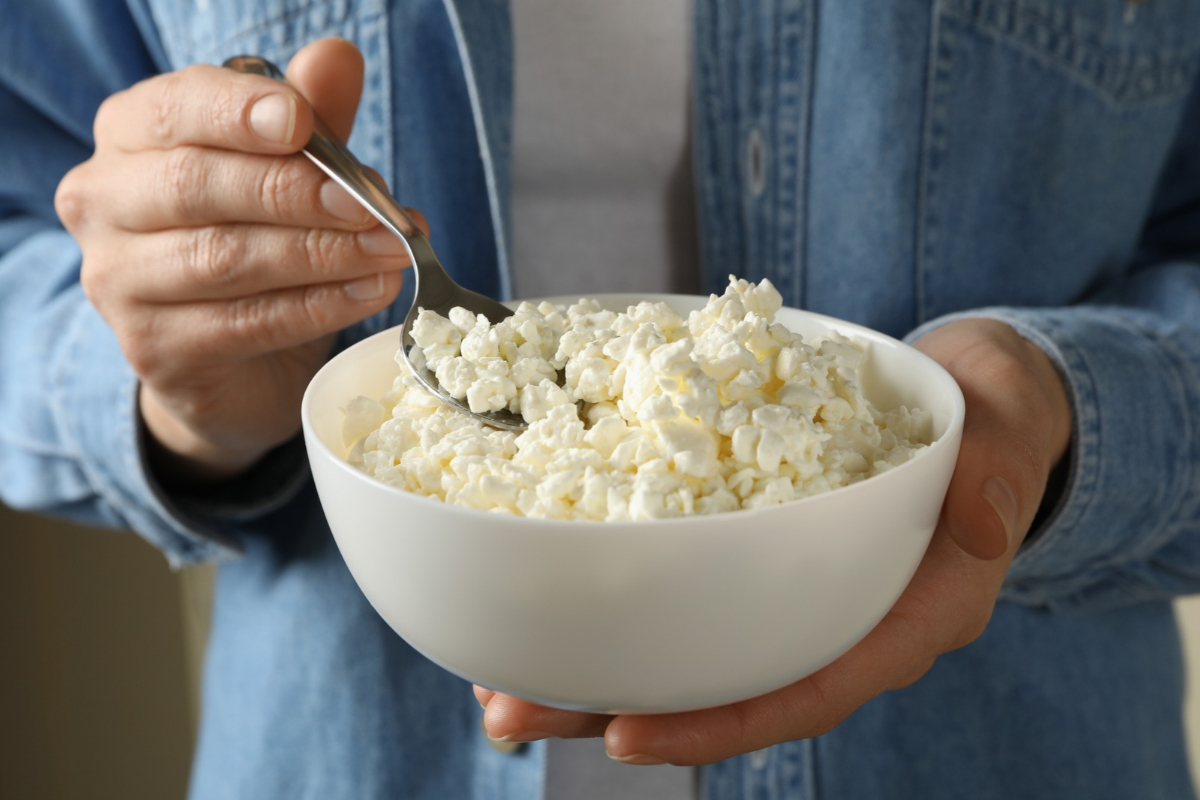
The first day is when the clot is most fragile. The Mayo Clinic's guidance on wisdom tooth removal advises eating only soft foods, such as yogurt or applesauce, during the first 24 hours. Good choices for day one include the following.
- Plain or Greek yogurt
- Unsweetened applesauce
- Smoothies eaten with a spoon
- Cottage cheese
- Smooth pudding without seeds or toppings
- Mashed banana or avocado
- Broth or blended soup that has cooled to lukewarm
- Cool water
Wait until the numbness wears off before eating so you do not accidentally bite your cheek, lip, or tongue. Chew on the side of your mouth away from the extraction site.
What Should You Drink After an Extraction?
Staying hydrated supports healing, but some drinks are better than others in the first few days. Good Choices
- Water at room temperature or slightly cool
- Lukewarm bone broth or vegetable broth
- Smoothies eaten slowly from a spoon
- Milk or unsweetened plant milk
Drinks to Avoid at First: The Mayo Clinic recommends avoiding alcoholic, caffeinated, carbonated, and hot beverages in the first 24 hours. Alcohol can also interact with pain medications, so check with your dentist before having any while you recover. Most importantly, do not drink through a straw for at least a week. The sucking motion can pull the blood clot out of the socket.
What Can You Eat on Days 2 and 3?
If healing is going well, you can begin adding soft foods with a little more substance. Everything should still be easy to eat without much chewing.
- Scrambled or soft-cooked eggs
- Mashed potatoes or mashed sweet potatoes
- Well-cooked oatmeal or cream of wheat
- Hummus or smooth bean dips
- Soft tofu
- Blended vegetable soups
- Mashed squash or cauliflower
Keep foods lukewarm, and continue chewing away from the extraction site.
What Can You Eat on Days 4 Through 7?
By now, many patients can manage soft foods that require gentle chewing. Let comfort guide you, and return to softer options if anything feels sore.
- Flaky baked or poached fish
- Well-cooked pasta
- Soft rice dishes, avoiding loose grains near the socket
- Steamed or roasted vegetables cooked until tender
- Shredded chicken or slow-cooked meats
- Soft fruits such as ripe pears, peaches, or melon
- Soft breads without seeds or crusts
Everyone heals at a different pace. A simple extraction may allow a faster return to normal eating than a surgical extraction or the removal of several teeth.
When Can You Eat Normally Again?
Many patients return to most of their normal diet within about one to two weeks. Hard, crunchy, and chewy foods are usually the last to come back. Reintroduce them gradually, and wait until the site is no longer tender. Your dentist may give you a more specific timeline based on the tooth that was removed and how the area is healing.
Is Recovery Different After Wisdom Tooth Removal?
Wisdom teeth are often removed surgically, especially when they are impacted beneath the gums or bone. These extractions can involve more swelling and a longer period of soft eating than removing a single tooth that has fully erupted. If you have had wisdom teeth removed, expect to stay with soft foods a little longer, and pay extra attention to keeping food particles out of the sockets in the back of the mouth. Opening wide may also be uncomfortable for several days, so foods that fit easily on a small spoon are especially helpful. Teeth that are removed because of advanced periodontal disease may also need extra care while the gums heal. Our article on how gum disease can affect your overall health explains why treating infection matters beyond the mouth.
What Foods Should You Avoid After a Tooth Extraction?
For at least the first week, or longer if your dentist advises, avoid these foods.
- Hard and crunchy foods such as chips, nuts, pretzels, popcorn, and raw carrots
- Small seeds and grains such as sesame seeds, chia seeds, quinoa, and berries with tiny seeds
- Sticky and chewy foods such as caramel, taffy, gummy candy, and tough meats
- Spicy foods such as hot sauces, chili, and peppers
- Acidic foods and drinks such as citrus, tomatoes, and vinegar-based dressings
- Very hot foods and drinks such as fresh soup or coffee straight from the pot
- Crusty breads such as baguettes and bagels
Popcorn deserves special mention. Its thin hulls easily become trapped in a socket and can be difficult to remove.
How Can You Eat for Better Healing?
A holistic approach to recovery looks beyond what is soft enough to eat and asks what will actually help the body repair itself. Soft does not have to mean empty calories. Protein Protein supplies the building blocks for new tissue. Eggs, Greek yogurt, cottage cheese, soft fish, tofu, smooth nut butters stirred into oatmeal, and protein added to smoothies are all easy options. Vitamin C Vitamin C plays a role in forming collagen, which is part of healing tissue. Because citrus can sting the site, try gentler sources such as mashed sweet potato, blended mango, papaya, or cooked and pureed vegetables. Zinc and Other Minerals Zinc supports normal tissue repair. Eggs, yogurt, soft-cooked beans, and well-cooked lentils are soft sources. Vitamin A Vitamin A supports healthy skin and mucous membranes. Mashed sweet potato, pureed carrots, pumpkin, and butternut squash are good choices. Healthy Fats Avocado, olive oil drizzled on mashed vegetables, and smooth nut butters add calories and nutrients when you are eating smaller amounts. Whole, Minimally Processed Foods Homemade soups, blended vegetables, and simple whole foods are often a better choice than sugary puddings or processed snacks. Limiting added sugar is also a good idea while the area is harder to clean.
Sample Meal Ideas for Recovery

These meal ideas can help you plan ahead before your appointment.
Day One
- Greek yogurt with mashed banana for breakfast
- A spinach, banana, and protein smoothie eaten with a spoon for lunch
- Lukewarm blended butternut squash soup for dinner
- Unsweetened applesauce for a snack
Days Two and Three
- Soft scrambled eggs with mashed avocado for breakfast
- Mashed sweet potato with a drizzle of olive oil for lunch
- Pureed lentil soup for dinner
- Cottage cheese with mashed peach for a snack
Days Four Through Seven
- Well-cooked oatmeal with smooth almond butter for breakfast
- Flaky baked salmon with mashed cauliflower for lunch
- Shredded slow-cooked chicken with soft steamed zucchini for dinner
- Ripe pear slices for a snack
Preparing a few soups and smoothie ingredients before your extraction makes the first days much easier.
How Should You Eat to Protect the Socket?
How you eat matters as much as what you eat.
- Wait until numbness wears off before eating
- Take small bites
- Chew on the opposite side of your mouth
- Let hot foods cool to lukewarm
- Eat smoothies and soups with a spoon, not a straw
- Avoid forceful spitting
The Mayo Clinic also advises against brushing, rinsing, spitting, or using mouthwash during the first 24 hours. After that, gentle warm saltwater rinses after meals can help keep the area clean. Follow the specific instructions your dentist provides.
Does Smoking Affect Healing After an Extraction?
Yes. Smoking and tobacco use are well-known risk factors for dry socket. The suction involved in smoking can disturb the clot, and tobacco can slow healing. The Mayo Clinic advises not smoking for at least 72 hours after wisdom tooth surgery, and longer if possible. If you use tobacco, talk with your dentist before your extraction about how to plan for recovery.
When Should You Call Your Dentist?
Some soreness and swelling is normal in the first few days. Contact your dentist if you notice any of the following.
- Severe pain that is not relieved by medication or gets worse after a few days
- Bleeding that does not slow down
- Swelling that worsens after two or three days
- Fever
- A bad taste or pus coming from the socket
- Numbness that does not go away
- Difficulty swallowing or breathing
For trouble breathing, seek emergency care right away.
Planning for Recovery Starts Before the Extraction
The best recoveries are usually planned ahead. Before your appointment, consider the following.
- Stock up on soft foods and ingredients for soups and smoothies
- Arrange time to rest on the day of the procedure
- Ask your dentist which foods to avoid and for how long
- Review your medications and supplements with your dentist
- Ask about options for replacing the tooth later
Extraction is not always the first option. Our article on the best alternatives to a root canal explains when a tooth may be saved and when removal may be the better choice. If a tooth is removed, you can also learn about zirconia ceramic dental implants as a metal-free replacement option. For general information on oral surgery recovery, the American Association of Oral and Maxillofacial Surgeons also offers patient resources.
The Bottom Line
After a tooth extraction, start with soft, cool or lukewarm foods for the first 24 hours, then gradually add soft cooked foods over the following week. Avoid hard, crunchy, sticky, spicy, acidic, and very hot foods, skip straws for at least a week, and choose nutrient-dense options such as eggs, yogurt, soft fish, blended vegetables, and broth to give your body what it needs to heal. Always follow the specific instructions your dentist gives you, since recovery can vary depending on the tooth and the procedure.
Tooth Extractions in Orange County
Dr. Ayman Zraiqat provides tooth extractions at Holistic Dental Arts in Santa Ana as part of a holistic approach to dentistry, serving patients throughout Orange County, including Tustin, Irvine, Anaheim, Newport Beach, and Yorba Linda. If you have a tooth that is causing pain or have been told you may need an extraction, book an appointment, contact our office, or call (657) 600-8425. New patients can complete the new patient form before their first visit.
Holistic Dental Arts
1401 N. Tustin Ave, Suite 345
Santa Ana, CA 92705
Phone: (657) 600-8425
Office Hours
Monday through Friday, 9:15 AM to 6 PM
Saturday by appointment only
Sunday closed
Frequently Asked Questions
1. What can I eat right after a tooth extraction?
Once the numbness wears off, eat soft, cool or lukewarm foods such as yogurt, applesauce, cottage cheese, mashed banana, and smoothies eaten with a spoon.
2. How long should I eat soft foods after a tooth extraction?
Most patients eat mainly soft foods for the first several days and gradually return to their normal diet over about one to two weeks. Your dentist may recommend a different timeline.
3. Can I drink coffee after a tooth extraction?
Avoid hot and caffeinated drinks for the first 24 hours. After that, let coffee cool to lukewarm and never drink it through a straw.
4. Why can't I use a straw after a tooth extraction?
The suction from a straw can pull the blood clot out of the socket, which may lead to dry socket. Avoid straws for at least a week.
5. Can I eat eggs after a tooth extraction?
Yes. Soft scrambled or soft-cooked eggs are a good source of protein and are usually comfortable to eat from the second day onward.
6. When can I eat rice after a tooth extraction?
Soft rice dishes can often be added after the first few days. Loose grains can lodge in the socket, so eat carefully on the opposite side.
7. Can I eat ice cream after a tooth extraction?
Plain, soft ice cream without nuts, candy pieces, or a cone may feel soothing. It is high in sugar, so yogurt or a smoothie is a more nourishing choice.
8. What foods help healing after a tooth extraction?
Protein-rich foods such as eggs, yogurt, soft fish, and tofu, along with vitamin-rich options such as mashed sweet potato and blended vegetables, support the body's repair process.
9. When can I eat crunchy foods again?
Hard and crunchy foods are usually the last to return, often after one to two weeks or once the site is no longer tender. Ask your dentist if you are unsure.
10. Where can I get a tooth extraction in Orange County?
Holistic Dental Arts provides tooth extractions in Santa Ana. Call (657) 600-8425 or book an appointment to schedule a consultation.
Holistic Dental Arts
1401 N. Tustin Ave, Suite 345
Santa Ana, CA 92705
Healthcare Disclaimer: This article is for general educational purposes and is not a diagnosis or treatment recommendation. Recovery after a tooth extraction varies depending on the tooth, the procedure, and your overall health. Always follow the specific aftercare instructions provided by your dentist, and contact your dental office if you have concerns during healing.