
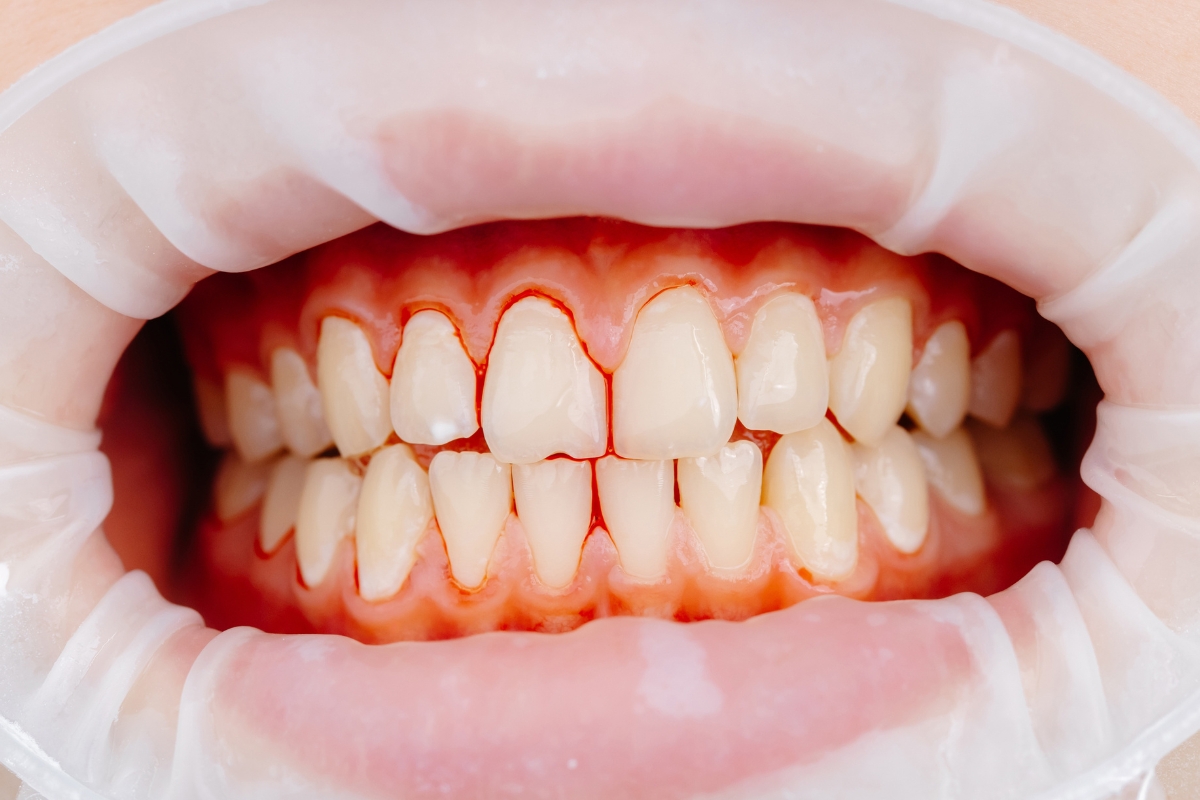
Bleeding gums, persistent bad breath, gum tenderness, recession, and increasing spaces around the teeth can be signs that the tissues supporting the teeth are becoming inflamed. In the early stages, gum inflammation may be limited to gingivitis. When the condition progresses and begins affecting the bone and connective tissues supporting the teeth, it becomes periodontitis.
For patients interested in biological and minimally invasive dentistry, ozone therapy may be considered as an adjunct to conventional periodontal care. Dental ozone has antimicrobial properties and has been studied for its potential ability to reduce certain bacteria and support the treatment environment around inflamed gum tissues.
Ozone therapy should not, however, be presented as a replacement for removing plaque and hardened calculus from beneath the gums. Current periodontal treatment still centers on controlling the bacterial biofilm and mechanically cleaning contaminated tooth and root surfaces. The American Dental Association identifies scaling and root planing as an initial nonsurgical treatment for periodontitis.
At Holistic Dental Arts in Santa Ana, Dr. Ayman Zraiqat incorporates biological dentistry principles into individualized periodontal care. The practice offers dental ozone therapy as part of a broader approach that considers oral bacteria, gum health, dental materials, systemic health, and the individual needs of each patient.
Understanding Gum Disease
Gum disease develops when bacterial plaque accumulates around the teeth and along the gumline.
Plaque is a sticky bacterial biofilm that continually forms on tooth surfaces. When it is not adequately removed, the gums can become irritated and inflamed. This early stage is generally called gingivitis.
Gingivitis may cause redness, swelling, tenderness, or bleeding during brushing and flossing. At this stage, the supporting bone around the teeth has not yet been destroyed.
Periodontitis is more serious. As inflammation progresses beneath the gumline, periodontal pockets can develop between the gums and teeth. These deeper areas become difficult to clean with normal brushing and flossing.
Over time, untreated periodontitis can lead to loss of attachment around the teeth, destruction of supporting bone, gum recession, tooth mobility, and eventually tooth loss.
Why Bacteria Matter in Periodontal Disease
The mouth naturally contains many different species of bacteria. The goal of periodontal care is not to create a sterile mouth.
Problems arise when the balance of the oral environment changes and disease-associated bacterial communities become established around and beneath the gumline.
As periodontal pockets deepen, bacteria and bacterial byproducts can remain in areas that are difficult for the patient to reach.
The body's immune response to this bacterial challenge also contributes to periodontal tissue destruction. For that reason, gum disease involves both microbial activity and the patient's inflammatory response.
Successful treatment requires reducing the bacterial burden while creating conditions that allow the gums to stabilize and become easier to maintain.
What Is Dental Ozone Therapy?
Ozone is a molecule composed of three oxygen atoms.
In dentistry, ozone may be delivered in carefully controlled forms such as gaseous ozone, ozonated water, or ozonated oils. Different applications are used for different clinical purposes.
Ozone's strong oxidative properties give it antimicrobial activity. Researchers have investigated its effects against bacteria and other microorganisms relevant to oral disease.
Dental ozone should not be confused with environmental ozone exposure. Inhaling ozone gas can be harmful, which is why professional dental delivery systems and appropriate clinical protocols are important. Reviews of dental ozone emphasize the need to control exposure and prevent inhalation.
How Could Ozone Therapy Help Gum Disease?
The main reason ozone is considered in periodontal treatment is its antimicrobial activity.
After bacterial deposits and calculus are mechanically removed, ozone may be used as an adjunct in selected areas to further influence the microbial environment around periodontal tissues.
Depending on the clinical situation and delivery method, the objectives may include reducing microbial contamination, supporting the treatment of inflamed periodontal pockets, and creating a more favorable environment for healing.
Ozone does not physically remove hardened calculus from the root surface. That distinction is important.
If significant calculus is present below the gumline, simply applying ozone does not accomplish the same thing as properly cleaning the root surface.
What Does the Research Say About Ozone and Periodontitis?
Research on ozone as an adjunct to periodontal treatment has produced encouraging but not completely consistent results.
A 2025 systematic review and meta-analysis evaluated randomized clinical trials using ozone together with scaling and root planing. The analysis found greater improvements in probing depth and gingival index with ozone-assisted treatment compared with scaling and root planing alone. However, significant additional improvement was not demonstrated for several other measures, including clinical attachment level, plaque index, and bleeding on probing.
An earlier systematic review also found mixed results among studies evaluating ozone for periodontitis and peri-implantitis.
A broader 2026 umbrella review concluded that the evidence for ozone therapy remains inconsistent and generally low in certainty. For periodontitis specifically, some meta-analyses have reported benefit while others have not demonstrated a clear additional advantage.
The most accurate conclusion is therefore that ozone may have value as an adjunct to periodontal therapy, but it should not be promoted as a proven replacement for established periodontal treatment.
Ozone Therapy Does Not Replace Scaling and Root Planing
This is one of the most important points for patients considering ozone treatment.
Periodontal disease frequently involves plaque, calculus, and bacterial deposits below the gumline.
Calculus is hardened mineralized material that adheres strongly to tooth and root surfaces. Ozone cannot simply dissolve away substantial calculus that needs to be mechanically removed.
Scaling removes plaque and calculus from above and below the gumline. Root planing addresses contaminated and irregular root surfaces so the periodontal tissues have a healthier surface against which to heal.
The ADA and American Academy of Periodontology continue to recognize scaling and root planing as a fundamental nonsurgical treatment for periodontitis.
Ozone is better viewed as a potential additional tool used around established periodontal treatment rather than a substitute for it.
Gingivitis and Periodontitis Require Different Approaches
Not every patient with bleeding gums has advanced periodontal disease.
A patient with gingivitis may primarily need improved plaque control, professional cleaning, home-care instruction, and management of factors that allow plaque to accumulate.
A patient with periodontitis may require deeper periodontal cleaning, periodontal measurements, radiographs, ongoing maintenance, and sometimes surgical or specialty periodontal treatment.
Ozone therapy may be incorporated differently depending on the diagnosis.
This is why a periodontal examination should come before deciding which treatment is appropriate.
What Happens During a Periodontal Evaluation?
A periodontal evaluation involves more than looking at whether the gums appear red.
The dentist may measure the spaces between the teeth and gums with a periodontal probe, evaluate bleeding, assess recession, inspect plaque and calculus accumulation, evaluate tooth mobility, and review radiographs for bone changes.
The pattern of disease matters.
One patient may have inflammation around only a few teeth, while another may have generalized periodontal pockets throughout the mouth.
Risk factors such as smoking, diabetes, oral hygiene, dry mouth, medications, genetics, previous periodontal disease, and certain systemic conditions may also influence treatment planning.
At Holistic Dental Arts, the evaluation may also consider the oral microbial environment and other aspects of the patient's biological dental history as part of an individualized approach.
Can Ozone Kill the Bacteria That Cause Gum Disease?
Ozone has broad antimicrobial activity, but the periodontal environment is complex.
Periodontal bacteria are organized within biofilms. A biofilm is a structured microbial community that adheres to surfaces and can be more difficult to disrupt than individual bacteria floating freely.
This is one reason mechanical biofilm disruption remains so important.
Ozone may help reduce microbial activity in treated areas, but successful periodontal management requires much more than killing bacteria at a single appointment.
Daily plaque control, professional maintenance, management of risk factors, and periodic periodontal reassessment remain necessary.
Could Ozone Reduce Gum Inflammation?
Some clinical research has reported improvements in measures of gingival inflammation when ozone is added to periodontal therapy.
The 2025 meta-analysis found an improvement in gingival index among patients receiving ozone together with scaling and root planing. However, the evidence did not show superior results across every periodontal outcome measured.
For patients, that means ozone should be approached realistically.
A reduction in redness or inflammation can be valuable, but periodontal treatment ultimately focuses on stabilizing the tissues supporting the teeth and controlling the disease over time.
What About Bleeding Gums?
Bleeding during brushing or flossing is often a sign of inflammation.
It should not simply be ignored because it is common.
Occasional minor bleeding can occur for several reasons, but persistent bleeding warrants evaluation, particularly when accompanied by swelling, recession, bad breath, loose teeth, or visible changes in the gums.
Ozone therapy may be incorporated into treatment when appropriate, but the underlying reason for the bleeding needs to be addressed.
If plaque and calculus are driving the inflammation, those deposits must be controlled.
Ozone Therapy and Periodontal Pockets

Periodontal pockets create an environment where bacteria can accumulate below the gumline.
These spaces may become difficult for toothbrush bristles and ordinary floss to reach.
Professional periodontal treatment aims to clean these areas and reduce the conditions that allow destructive inflammation to continue.
Ozone may be delivered into selected periodontal areas as an adjunct after or during appropriate professional treatment.
The objective is not simply to "sterilize" the pocket permanently. The oral environment will always contain microorganisms.
The more realistic goal is to reduce disease-associated microbial activity while improving the patient's ability to maintain the area.
Can Ozone Therapy Regrow Lost Gum or Bone?
Ozone therapy should not be promoted as a treatment that automatically regenerates lost periodontal bone or restores gum tissue that has already been destroyed.
Periodontal regeneration is a specialized area of dentistry.
Certain defects may be candidates for procedures involving bone grafting, membranes, biologic materials, or other regenerative techniques.
Whether regeneration is possible depends on the type and location of the defect, tooth condition, periodontal anatomy, systemic health, oral hygiene, and other factors.
Ozone may be used as an adjunct in some biologically oriented treatment plans, but it is not a substitute for periodontal regenerative procedures when those procedures are indicated.
Does Ozone Therapy Hurt?
Dental ozone application is generally designed to be minimally invasive.
The experience depends on the treatment being performed at the same appointment.
For example, ozone itself may not require anesthesia, but scaling and root planing may require local anesthetic when deeper periodontal areas need to be thoroughly cleaned.
Patients should therefore distinguish between the experience of ozone application and the other periodontal procedures being performed.
Is Dental Ozone Therapy Safe?
Ozone must be handled appropriately because inhalation of ozone gas can irritate and damage the respiratory system.
Professional dental ozone equipment is designed to deliver ozone to controlled treatment areas while minimizing unintended exposure.
The clinician should use appropriate delivery techniques and follow equipment-specific safety protocols.
This is another reason patients should receive dental ozone from a properly trained dental professional rather than attempting unsupervised ozone applications.
Is Ozone Therapy Appropriate for Everyone With Gum Disease?
Not necessarily.
The first question should be what type and stage of periodontal disease the patient has.
Someone with mild gingivitis needs a different level of treatment from someone with advanced periodontal bone loss and mobile teeth.
A patient with uncontrolled diabetes, heavy smoking, significant immune compromise, or another major risk factor may also require additional medical or dental management.
Ozone therapy should be selected because it fits the patient's periodontal treatment plan, not simply because the technology is available.
Home Care Still Matters After Ozone Therapy
No professional periodontal treatment can compensate indefinitely for plaque that continuously accumulates around the gums.
Patients need to maintain the improvements created during professional treatment.
Brushing thoroughly twice daily, cleaning between the teeth, keeping recommended periodontal maintenance appointments, and addressing tobacco use and other modifiable risk factors can significantly influence long-term periodontal stability.
Patients with a history of periodontitis often need periodontal maintenance more frequently than people with consistently healthy gums.
The appropriate schedule depends on the patient's disease history and current periodontal condition.
A Holistic Approach to Periodontal Health
Biological dentistry considers gum health as part of the patient's broader health picture rather than treating periodontal tissues in isolation.
That does not mean every systemic condition is caused by the teeth or gums.
It does mean that medical history, medications, nutrition, diabetes status, smoking, stress, immune health, oral hygiene, previous dental treatment, and other factors may be relevant when evaluating periodontal disease.
Dr. Ayman Zraiqat's approach at Holistic Dental Arts incorporates conventional dental evaluation with biological and integrative dental principles. The practice specifically includes ozone therapy among its available services and identifies periodontal applications as one of its uses.
Ozone Therapy for Gum Disease in Orange County
Ozone therapy may provide an additional tool for selected patients receiving periodontal treatment, particularly when it is incorporated alongside appropriate removal of plaque, calculus, and bacterial biofilm.
Current research suggests potential benefits for some measures of periodontal inflammation and pocket depth, but evidence remains mixed and does not support replacing established periodontal treatment with ozone alone.
Holistic Dental Arts provides biological and holistic dental care for patients throughout Santa Ana, Irvine, Tustin, Newport Beach, Costa Mesa, Anaheim Hills, Laguna Hills, Mission Viejo, Orange, and surrounding Orange County communities. The practice is located at 1401 N. Tustin Ave, Suite 345, Santa Ana, CA 92705.
Patients interested in periodontal care and dental ozone therapy can contact Holistic Dental Arts at (657) 600-8425 to schedule an evaluation.
Frequently Asked Questions
1. Can ozone therapy cure gum disease?
Ozone therapy should not be described as a cure for gum disease. It may be used as an adjunct to periodontal treatment because of its antimicrobial properties, but controlling periodontitis generally requires removal of plaque and calculus, good daily oral hygiene, professional maintenance, and management of individual risk factors.
2. Can ozone therapy replace deep cleaning?
No. If a patient has periodontitis with plaque and calculus below the gumline, ozone does not replace scaling and root planing. The ADA recommends scaling and root planing as an initial nonsurgical treatment for periodontitis.
3. Can ozone help bleeding gums?
Ozone may be used as part of treatment for inflamed periodontal tissues, and some research has found improvements in gingival inflammation when ozone is combined with scaling and root planing. Persistent bleeding should still be evaluated to determine the cause.
4. Does ozone kill periodontal bacteria?
Ozone has antimicrobial properties and may reduce microbial activity in treated areas. Periodontal bacteria exist within complex biofilms, however, so professional mechanical cleaning and ongoing plaque control remain important.
5. Can ozone therapy help periodontal pockets?
Ozone may be used as an adjunct in periodontal pockets after appropriate evaluation and cleaning. A recent meta-analysis found an additional reduction in probing depth when ozone was combined with scaling and root planing, although not every periodontal measure showed additional benefit.
6. Is ozone therapy painful?
Ozone application itself is generally minimally invasive. If scaling and root planing or another periodontal procedure is performed at the same visit, local anesthesia may be used depending on the depth and sensitivity of the treatment area.
7. Can ozone therapy regrow gum tissue?
Ozone should not be expected to automatically regenerate gum tissue or bone that has been lost from advanced periodontal disease. Regenerative periodontal procedures may be appropriate for certain defects and require separate evaluation.
8. How many ozone treatments are needed for gum disease?
There is no universal number of appointments. The treatment schedule depends on the type and severity of periodontal disease, the patient's response to treatment, the ozone protocol being used, and the other periodontal procedures included in the treatment plan.
9. Is dental ozone therapy safe?
Dental ozone requires controlled professional application. Because inhaling ozone gas can be harmful, clinicians should use appropriate equipment, delivery methods, isolation, and safety protocols.
10. Where can I receive ozone therapy for gum disease in Orange County?
Holistic Dental Arts provides dental ozone and biological dental services in Santa Ana for patients throughout Orange County. The office is located at 1401 N. Tustin Ave, Suite 345, Santa Ana, CA 92705. Call (657) 600-8425 to schedule an evaluation.
Healthcare Disclaimer: This article is provided for general educational purposes and is not a diagnosis, treatment recommendation, or substitute for care from a qualified dentist, periodontist, physician, or other healthcare professional.